
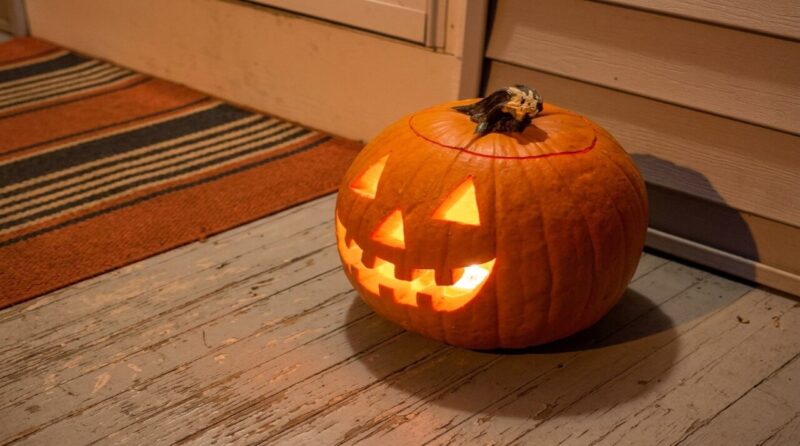
Maybe its teeth are curling inward. Perhaps one eye has started sagging. Either way, your pumpkin seems to be aging considerably faster than expected.
Learning how to make carved pumpkins last longer comes down to controlling two problems: moisture loss and decay.
A few simple treatments can help, but temperature, sunlight, and cleaning habits matter just as much.
Unfortunately, no amount of pumpkin pampering can guarantee a fresh-looking jack-o’-lantern for two full weeks.
In this article
How Long Does a Carved Pumpkin Actually Last?
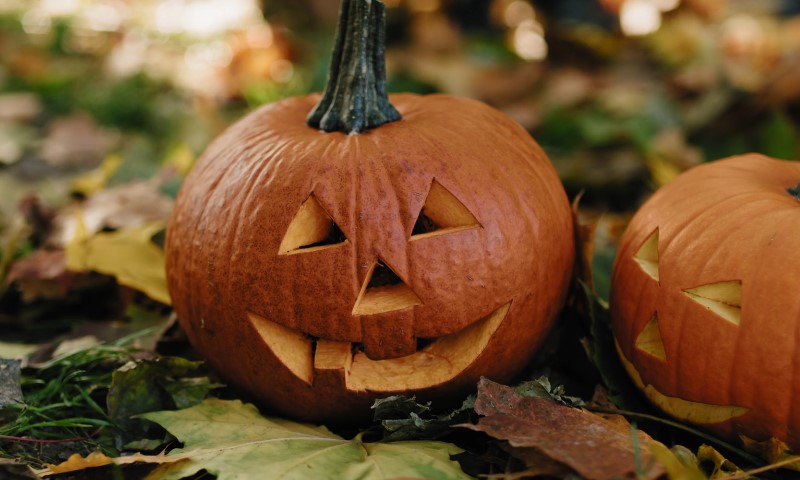
Most carved pumpkins last approximately three to five days, although some survive up to a week under favorable conditions.
Uncarved pumpkins are considerably more durable. Healthy, mature pumpkins can last several weeks or even months when stored properly.
Carving changes everything.
According to South Dakota State University Extension, cutting into a pumpkin exposes its inner flesh to air, humidity, and microorganisms that accelerate deterioration.
Two processes then begin working against your Halloween decoration:
- Dehydration – Exposed flesh loses moisture, causing wrinkles, curling edges, and a collapsed appearance.
- Decay – Fungi and bacteria break down pumpkin tissue, producing mold, soft spots, discoloration, and unpleasant odors.
Warm temperatures accelerate both problems, while excessive moisture encourages microbial growth.
Interestingly, a wrinkled pumpkin isn’t necessarily rotting. Recognizing that distinction matters because dehydration can sometimes be temporarily corrected. Actual decomposition cannot.
Clean Out the Pumpkin Properly
View this post on Instagram
A pumpkin’s stringy interior might look harmless, but leaving it behind gives microorganisms additional material to colonize.
Before carving, wash the exterior and clean your tools. Once you’ve removed the top, scrape away seeds, stringy pulp, and loose material until the interior feels relatively smooth.
Use paper towels to absorb excess moisture afterward.
Already carved your pumpkin? Take another look inside.
Imagine a jack-o’-lantern sitting on a covered porch with several damp strands still hanging near its mouth.
Removing that leftover pulp, wiping away moisture, and relocating the pumpkin to a cooler spot addresses several conditions that encourage deterioration.
Cleaning cannot eliminate every microorganism, but it reduces material that can support microbial growth.
Try a Preserving Treatment (But Don’t Expect Miracles)
Search for how to make carved pumpkins last longer, and you’ll encounter everything from household bleach to petroleum jelly.
Some suggestions have a reasonable scientific basis. Others deserve a little skepticism.
Diluted bleach
A commonly suggested homemade mixture uses one teaspoon of household bleach per gallon of water.
However, that weak concentration has not been established as a reliable disinfectant.
University extension recommendations sometimes specify stronger solutions.
For chemical treatments, follow appropriate product directions, use adequate ventilation, and allow treated surfaces to dry.
Vinegar
Diluted vinegar is another popular option, particularly among people who prefer to avoid bleach.
It may affect some microorganisms, but evidence that ordinary vinegar treatments significantly extend carved pumpkin life is limited.
Never combine vinegar and bleach. Doing so can release dangerous chlorine gas.
Petroleum jelly
A thin coating on clean, dry cut edges can slow moisture loss and help prevent premature shriveling.
Utah State University’s pumpkin preservation recommendations specifically identify petroleum jelly as a moisture-retention treatment.
However, petroleum jelly does not stop existing rot.
Here’s the important distinction:
| Treatment | Main Purpose | Limitation |
| Diluted bleach | Reduce microorganisms | Effectiveness depends on concentration |
| Diluted vinegar | Potentially inhibit some microbes | Limited preservation evidence |
| Petroleum jelly | Reduce moisture loss | Cannot reverse decay |
Keep It Cool, Shaded, and Away From Heat
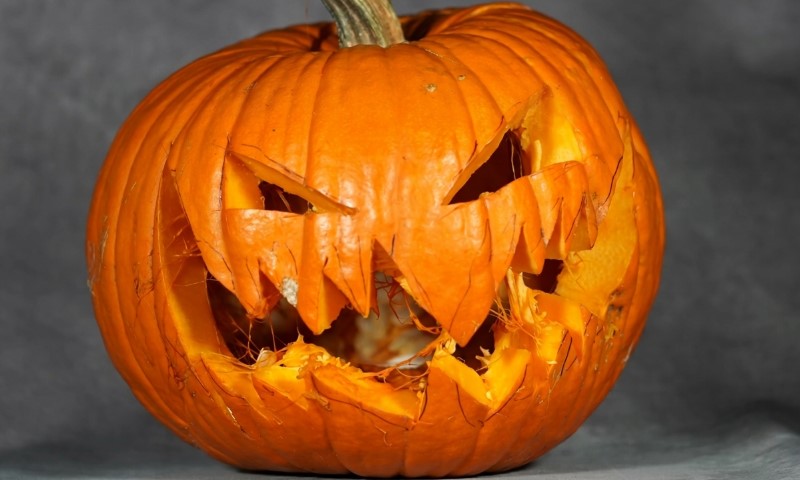
Location might matter more than any treatment you apply.
South Dakota State University Extension recommends keeping carved pumpkins at approximately 50 to 60°F.
Temperatures above that range encourage microbial activity, while freezing conditions below 32°F can damage pumpkin tissue and accelerate decay after thawing.
A few practical adjustments help:
- Choose a shaded, sheltered location away from direct sunlight and rain.
- Move the pumpkin into a cool indoor space during unusually warm weather.
- Refrigerate it temporarily if sufficient space is available, keeping it away from foods that could be contaminated.
- Use battery-powered LED lights instead of candles to eliminate unnecessary heat.
Think about a pumpkin sitting beside a sunny window compared with one displayed on a cool, shaded porch.
Even with identical carving techniques, their conditions are considerably different.
Already Shriveling? A Cold-Water Soak Might Help
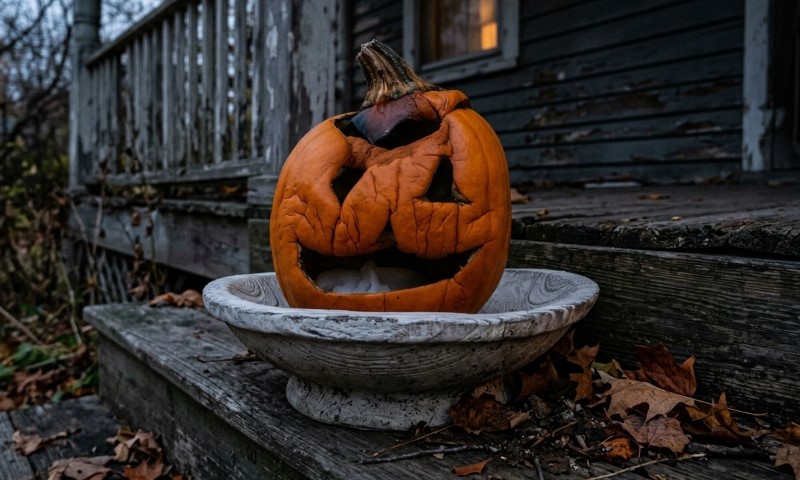
Discovering wrinkled edges doesn’t automatically mean your jack-o’-lantern is finished.
If the pumpkin is simply dehydrated, soaking it in cold water for a few hours may temporarily improve its firmness.
Remove electronic decorations beforehand, then dry the pumpkin thoroughly after soaking.
However, added moisture can also encourage microbial growth, so this technique makes sense only for an otherwise healthy pumpkin.
Check its condition before attempting a rescue.
A few curled edges suggest dehydration. Fuzzy mold, spreading soft spots, leaking flesh, or an unpleasant smell indicate decomposition.
Once those signs appear, replacing the pumpkin is the sensible option.
Can Your Pumpkin Really Make It Until Halloween?
If you’ve carved your pumpkin two weeks early, keeping it attractive until October 31 is possible under unusually favorable conditions, but unlikely.
For future Halloween preparations, waiting until approximately three to five days before the holiday is a more dependable approach.
Until then, an uncarved pumpkin can decorate your porch perfectly well.
Pumpkins have a curious relationship with Halloween traditions. They decorate our porches, fill our pies, and even lend their name to coffee drinks. Although, as it turns out, pumpkin spice lattes didn’t always contain real pumpkin.
If you’ve already committed to the knife, focus on keeping its interior clean, protecting exposed edges, and finding the coolest suitable display location.
Your jack-o’-lantern might not look quite as fresh on Halloween as it did on carving day.
But if it still has both eyes, most of its teeth, and a reasonably convincing grin, that’s probably a win.