

You know their coffee order, their worst habit, and which story is coming before they finish the second sentence.
Familiarity can feel a lot like knowing someone completely. It can also make you stop asking.
Sure, affection is already there, but how much of the person beside you are you still waiting to discover? Following 31 questions might help with that.
In this article
1. Who would you invite to dinner if you could choose anyone?

A fantasy dinner guest sounds like harmless small talk until the answer catches you off guard.
Maybe they still pick the musician they adored at 19. Maybe they choose a grandparent they barely knew. Ask who they would want at the table now, not who they think sounds impressive.
2. Would you actually like being famous?
People talk about fame as if everyone secretly wants a little of it. Ask what kind of attention they would enjoy, if any, and what part of being known by strangers would make them miserable.
You may learn more about how they see privacy, recognition, and success than you expected.
3. Do you rehearse conversations before having them?
Some people mentally script a phone call to the dentist. Others can walk into a job interview with three thoughts and a functioning pulse. Ask when they prepare their words in advance, and which conversations make them nervous enough to need a rehearsal.
4. What would your perfect day look like now?

Skip the fantasy involving private islands unless that is genuinely their answer. Ask about an ordinary perfect day, hour by hour. Sleeping late, seeing friends, cooking, disappearing into a bookstore, doing absolutely nothing.
Couples can share a life while having very different ideas about what makes a day feel good.
5. When did you last sing to yourself, and when did you last sing to someone else?
Singing alone in the car counts. So does humming badly while washing dishes. A tiny question like this can reveal how comfortable someone feels being playful, silly, or unguarded.
6. If you could keep either your mind or your body at its current strength as you age, which would you choose?
A choice like this tends to expose what someone fears losing. Physical independence matters most to some people.
Memory, curiosity, and mental sharpness matter more to others. Listen for what sits underneath the answer.
7. Do you have a private feeling about how you might die?

Not exactly cheerful dinner conversation, but that is partly why it works. Many people carry an oddly specific idea about mortality without ever saying it aloud. Hearing it can show you how they relate to fear, risk, health, and control.
8. What do you think we genuinely have in common?
Try not to help them answer. Shared taste in movies is easy. Shared habits, values, anxieties, ambitions, or ways of handling conflict are more revealing.
Seeing your relationship through their eyes may not match the version you keep in your own head.
9. What are you most grateful for in your life right now?
Right now matters. Gratitude can shift with age, work, money, family, and plain exhaustion. An answer that would have been obvious five years ago may not even make today’s list.
10. What would you change about the way you were raised?
Conversation tends to get more serious here. Someone can love their family and still wish certain things had been different.
Give the answer room. Fixing it, defending anyone, or comparing childhoods too quickly can shut down the part worth hearing.
11. If you had four minutes to tell me your life story, what would you include?

Four minutes forces an edit. Childhood might get thirty seconds while one summer gets two full minutes. Work may barely appear.
Notice which events they see as turning points and which pieces of their own history they skip.
12. What quality would you want to wake up with tomorrow?
Confidence is common. Patience might be more revealing. So might discipline, courage, calm, or the ability to stop caring what people think. Ask why that quality feels important now.
13. If you could know one truth about your life or future, what would you ask?
People often assume they want certainty until they have to choose one thing. Career, family, health, love, money, or something stranger may take priority. An answer can show which unknown is taking up the most space in their mind.
14. Is there something you have dreamed of doing for a long time?

Follow it with the harder part: why have you not done it? Money may be the answer. Fear may be.
Timing, responsibility, confidence, or a dream that quietly stopped feeling like theirs can matter just as much.
15. What do you consider your greatest achievement?
Resist the temptation to nominate one for them. You may be proudest of their degree, career, or promotion. They may choose quitting a job, rebuilding a friendship, getting through a bad year, or raising a child without repeating an old family pattern.
16. What matters most to you in a friendship?
Answers often reveal what someone expects of closeness in general. Loyalty, humor, honesty, reliability, space, frequent contact, or being able to say nothing for an hour can all matter. Ask what makes a friendship feel safe enough to keep.
17. What is your most treasured memory?
People usually know surprisingly quickly. Pay attention to who is there, where it happens, and what makes that moment worth protecting.
Often, the important part is not the event itself but how they felt inside it.
18. What is your worst memory?

Heavier territory calls for a slower pace. No need to interrogate the answer or extract a lesson. Listening closely is enough.
19. If you knew you had one year left, what would you change?
Questions about death have a way of becoming questions about time. Would they work less, call someone, move, travel, apologize, create something, or spend ordinary Tuesdays differently?
Priorities become easier to see once time stops feeling endless.
20. What does friendship mean to you at this point in your life?
Meaning changes. Friendship at 20 may be constant contact.
At 40, it may be the person who answers after six quiet months and picks up exactly where you left off. Ask what friendship means now, not what it meant when you first met.
21. What place do love and affection have in your life?
Love is easy to value in theory. Affection is more practical. Ask how they like to give it, receive it, and notice it.
Small differences here can explain a surprising amount of everyday friction.
22. Can we each name five things we think are good about the other person?
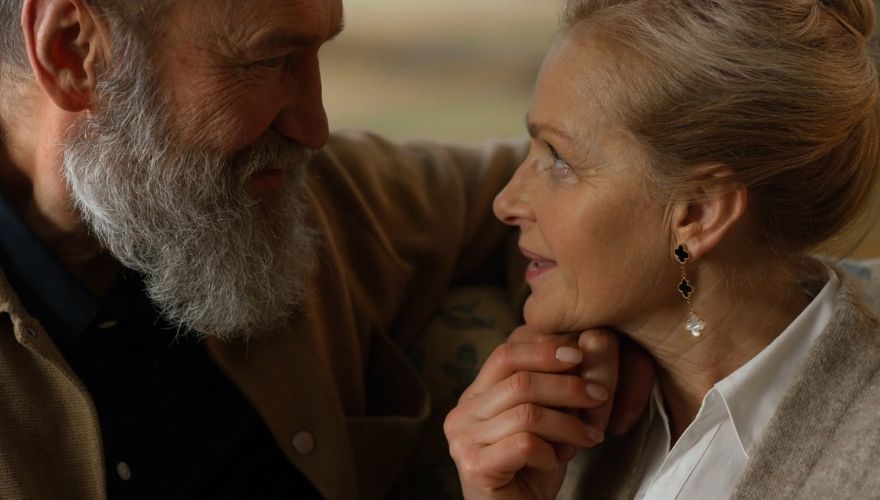
Specific answers are better than flattering ones. “You are kind” is pleasant. “You notice when someone at a party has been left out and pull them into the conversation” tells you far more.
23. How warm and close did your family feel while you were growing up?
Family stories often come with a polished public version. Ask what daily life actually felt like inside the house.
Warmth can mean affection, safety, humor, routine, freedom, or simply knowing someone would show up when needed.
24. How do you feel about your relationship with your mother?
One sentence can open an entire history. Closeness, distance, gratitude, resentment, grief, admiration, obligation, and contradiction can all exist at once. Let complexity stay complex.
25. Can we each make three true statements that begin with “we”?
“We are good at recovering after arguments” says something very different than “we avoid hard conversations until one of us gets hungry.”
Shared statements expose how each person defines the relationship itself. Agreement is interesting. Disagreement may be even more useful.
26. What do you wish you had someone to share with you?

Listen closely to the word wish.
Maybe they want someone to share a hobby, responsibility, fear, ambition, or part of themselves they rarely discuss. Being loved does not automatically mean every need for companionship has been met.
27. What should I know about you that I may still not know?
Treat the question like meeting them again. Long relationships create assumptions quickly, and assumptions age badly.
Give them a chance to update the version of themselves you have been carrying around.
28. What do you genuinely like about me?
Polite compliments are easy. Specific affection is harder and more useful.
Ask for something real, perhaps a habit, trait, instinct, or odd little behavior that has earned a permanent place in their mental file on you.
29. What is an embarrassing moment I have never heard about?
Preferably not the story already deployed at every birthday dinner. Embarrassment tends to keep tiny scenes with impressive clarity.
Hearing one can reveal a younger, less edited version of someone you now know very well.
30. When did you last cry in front of someone, and when did you last cry alone?

Crying is not a personality test. Still, answers can say something about where a person feels safe, what overwhelms them, and which emotions they prefer to handle privately.
31. Bring in a real problem and ask two questions
Pick an actual problem, not a hypothetical one. Ask what they think you should do. After they answer, ask what they think you are feeling about it.
Advice shows how someone thinks. Naming your feelings asks them to read you. That second question can be more revealing because it turns problem-solving into attention.
You May Know Them Well. Keep Asking Anyway.
Fame gave these 36 questions a slightly magical reputation, as if a numbered list could manufacture intimacy on command. Real closeness is less theatrical.
With someone you already love, value may lie in one changed opinion, one story you somehow missed, or one answer that makes you look across the table and realize your mental picture is a few years out of date.
Knowing someone well is not a finish line. Sometimes it just means you have better questions to ask.