

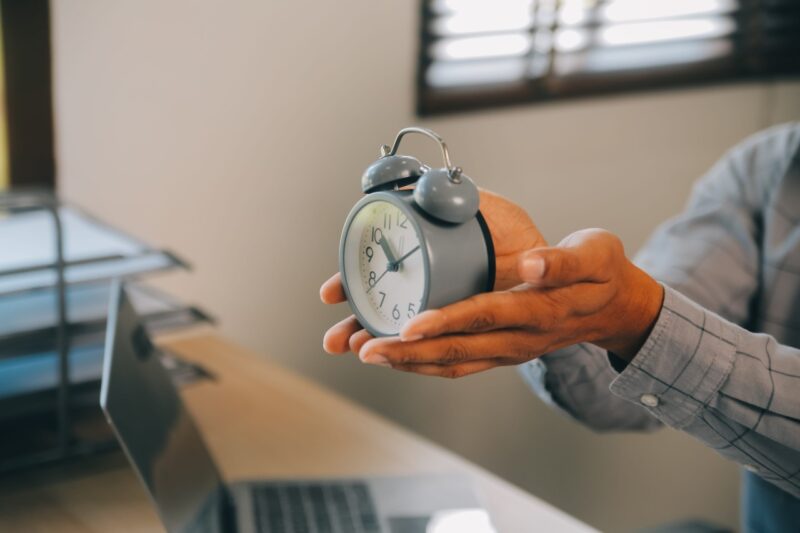
An extra hour of sleep sounds like a rare calendar perk. But when clocks go back on November 1, your body may have other plans.
Earlier sunsets, unusually sleepy evenings, and mornings that feel slightly out of sync can make the bonus hour less relaxing than advertised.
Fortunately, getting through the change requires a few small adjustments, not an entirely new sleep routine.
In this article
The Clocks Go Back. Your Body Doesn’t Automatically Follow.
Daylight saving time ends across most of the United States on Sunday, November 1, 2026, at 2 a.m., when clocks move backward to 1 a.m.
Smartphones generally make the adjustment automatically. Wall clocks, ovens, and that stubborn dashboard clock may need some attention.
Hawaii and most of Arizona do not observe daylight saving time, so their clocks will stay put. Areas of the Navajo Nation that observe the seasonal change are an exception in Arizona.
For everyone else, returning to standard time means brighter mornings and earlier sunsets according to the clock. Actual daylight hours do not increase. An hour of evening light simply shifts to the morning.
A little extra sleep sounds helpful, particularly after a busy week. But gaining an hour on the clock does not guarantee an extra hour of rest.
Human sleep follows a circadian rhythm, an internal biological cycle that helps regulate alertness, body temperature, and the timing of sleep.
Light entering the eyes sends signals to the brain’s central biological clock, helping synchronize that cycle with the outside world. Meal times, physical activity, and consistent sleep schedules also contribute.
Changing a clock takes seconds. Adjusting those biological signals can take several days.
According to CDC guidance on seasonal time changes, some people may need approximately a week to adjust their sleeping, eating, and activity schedules.
Autumn’s transition is generally easier than losing an hour in spring. Still, temporary sleep disturbances, fatigue, and difficulty concentrating can occur.
The Trick Is to Start Before Sunday
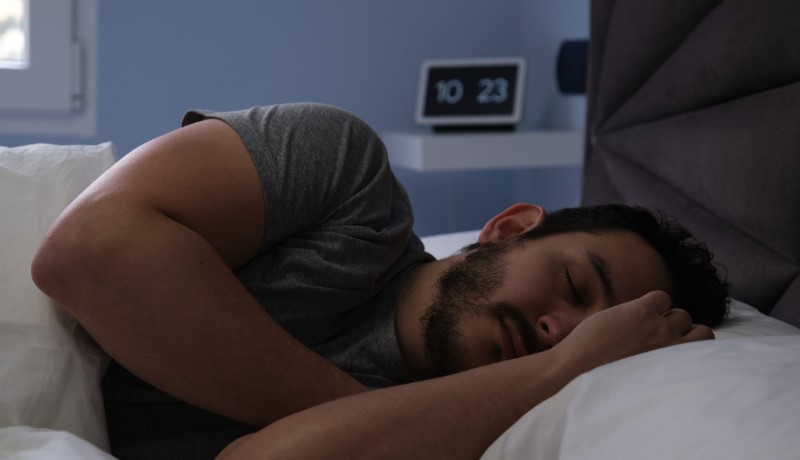
Saturday night might seem like the obvious time to prepare. For people particularly sensitive to schedule changes, starting a little earlier makes more sense.
Rather than suddenly shifting everything by an hour, try gradually moving bedtime and wake-up time 15 to 20 minutes later each day during the three days leading up to November 1.
Someone who ordinarily goes to bed at 10 p.m. could try 10:20 p.m. on Thursday, 10:40 p.m. on Friday, and 11 p.m. on Saturday.
After the clocks change, that final bedtime corresponds to 10 p.m. standard time.
Meal times and exercise can follow a similar pattern. Eating dinner slightly later, for example, gives the body another consistent signal that its daily schedule is shifting.
Families with young children may appreciate some preparation, too.
A child who normally wakes at 6:30 a.m. could suddenly be awake at 5:30 a.m. according to the new clock. Shifting bedtime and morning routines gradually may make that first Sunday less demanding.
Pets present another complication. Dogs accustomed to breakfast or a morning walk at a particular time are unlikely to appreciate a sudden hour-long delay. Gradually adjusting feeding and walking schedules can help preserve their routine.
None of this means everyone needs a three-day preparation program.
People who sleep well and tolerate schedule changes easily may have little reason to adjust anything beforehand.
More importantly, avoid entering the weekend already exhausted. Staying awake an extra hour on Saturday simply because Sunday offers one back defeats much of the benefit.
Morning Light Matters More Than Another Coffee

Coffee can make a sleepy morning more manageable. Daylight performs a different job.
Natural light helps synchronize the body’s internal clock with the daily light-dark cycle.
Exposure near waking also supports alertness, although the precise effect depends on the timing of light exposure.
For many people, spending a little time outside after getting up is one of the simplest habits worth keeping during the transition.
A short walk, breakfast outdoors, or even taking a morning phone call outside can provide useful light exposure.
Seasonal sleep advice often misses an important distinction: morning light generally moves the body’s clock earlier, while evening light tends to move it later.
That means morning sunlight is helpful for establishing a regular daily routine after the change, but it is not necessarily the ideal tool for someone specifically trying to delay an unusually early wake-up time.
People preparing for the autumn shift may benefit more initially through gradually later routines. Once the new schedule begins, consistent wake times and appropriate daytime light help reinforce it.
For office workers, getting outside might require a little planning. A short walk before work or during a break is more realistic than expecting everyone to spend an hour enjoying the sunrise.
Consider someone who normally works from 9 a.m. to 5 p.m. and rarely leaves the office during daylight.
After November 1, an evening walk may happen entirely in darkness. Moving that activity to lunchtime preserves an opportunity for natural light and exercise without requiring a longer workday.
Another coffee might temporarily improve concentration, but caffeine cannot replace sufficient sleep or properly timed light exposure.
Your Evenings Might Feel Longer, Darker, and Surprisingly Tiring
Few things make November feel quite as different as leaving work and discovering that daylight has already called it a day.
An unchanged 5 p.m. commute can suddenly take place after sunset, even though the actual working hours have not moved.
Reduced evening light changes the cues people associate with their daily schedules. Some may begin feeling sleepy earlier, particularly while their internal clock is still adjusting.
Others might experience an afternoon slump or notice that motivation for an evening walk disappears when the streets are dark.
Not every change in energy can be attributed to the clock adjustment, however. Seasonal reductions in total daylight continue throughout autumn, independently of daylight saving time.
For people who notice their evenings becoming less active, moving outdoor activities earlier may be more effective than trying to force the same schedule into darker hours.
A lunchtime walk, some afternoon exercise, or an earlier outdoor errand can make better use of available daylight.
Evening habits also matter.
@amermedicalassn If you feel “off” after the clocks spring forward, it’s not in your head. The spring shift to #daylightsaving time is linked to increased risks of heart attacks, strokes, ER visits, mood changes, and overall sleep disruption. @beachgem10 shares tips to stay ahead of the time change. #healthtips ♬ original sound – American Medical Association
Keeping household lighting relatively dim near bedtime, reducing exposure to bright screens, and avoiding caffeine late in the day can support normal sleep timing.
Caffeine deserves particular attention because its stimulating effects can persist for several hours. An afternoon coffee may still affect sleep long after its immediate boost has faded.
Earlier darkness also introduces a practical concern that has little to do with sleeping.
Pedestrians, cyclists, and drivers suddenly share familiar commuting routes under different lighting conditions. Reduced visibility makes reflective clothing, working bicycle lights, and attentive driving particularly important.
No one’s commute gets shorter simply because sunset arrives earlier.
Political debate over changing the system continues, too. On July 14, 2026, the U.S. House of Representatives passed the Sunshine Protection Act, which proposes permanent daylight saving time. As of October 16, the Senate had not passed the bill, so the November clock change is still scheduled to happen.
For now, adjusting daily habits is considerably easier than waiting for Congress to settle the matter.
Don’t Spend the Extra Hour Trying to Perfect Your Sleep
An extra hour can encourage some surprisingly ambitious plans.
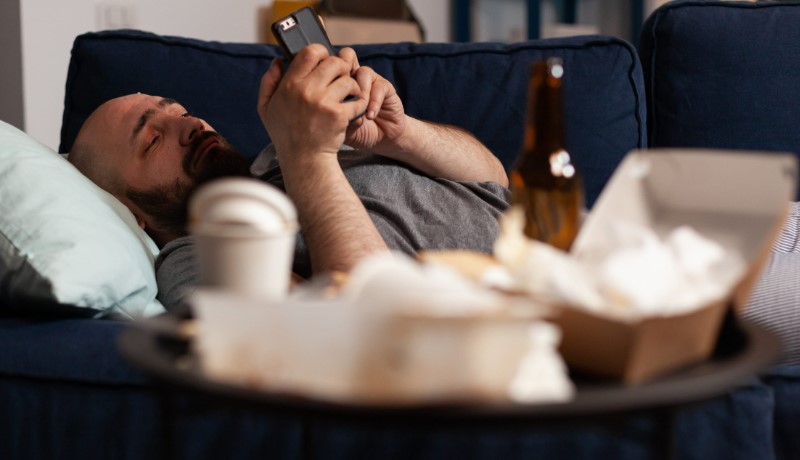
Perhaps Saturday becomes an excuse for another episode, another drink, or another hour scrolling through a phone. Perhaps Sunday morning turns into an attempt to recover every hour of sleep lost during the previous month.
Neither approach is particularly helpful.
One longer night can relieve some immediate sleepiness, but it cannot completely compensate for an extended period of insufficient sleep.
Most healthy adults need at least seven hours of sleep regularly, with individual needs varying.
Instead of treating November 1 as a chance to overhaul everything, aim to maintain a reasonably consistent wake-up time and go to bed when genuinely sleepy.
A short nap can help if tiredness becomes noticeable during the adjustment.
Keeping naps to around 20 to 30 minutes, preferably in the early afternoon, reduces the chance of waking groggy or interfering with nighttime sleep.