
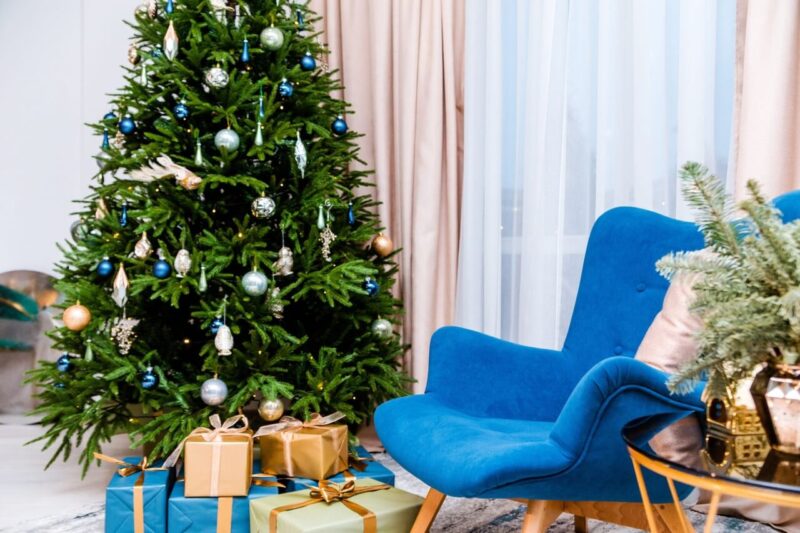
You bring home a Christmas tree in early December, decorate it, and spend the next few weeks watching needles quietly collect underneath.
By Christmas morning, you’re wondering if your tree is supposed to look quite so tired.
So, how long do real christmas trees last?
A fresh, properly cared-for Christmas tree typically lasts three to four weeks indoors, although some can stay in good condition for up to six weeks.
Much of that depends on something surprisingly ordinary: water. A Christmas tree might no longer have roots, but its trunk can still absorb moisture.
Letting its water supply run dry can shorten its lifespan considerably, even if everything else about your holiday setup is perfect.
In this article
How Long Does a Real Christmas Tree Last Indoors?
Most real Christmas trees last around three to four weeks indoors with proper care.
Fraser firs offer a useful comparison. With a consistent water supply, they can last four to six weeks indoors, compared with three to four weeks when kept dry.
That potential difference of up to two weeks is a good reason to take the water stand seriously, particularly if you’re decorating at the beginning of December.
Under favorable conditions, particularly with a freshly cut tree and consistent watering, that period can stretch to four to six weeks.
Several factors influence how long your tree stays fresh:
| Factor | Key detail | Effect on tree lifespan |
| Tree species | Fraser firs and balsam firs have good needle retention. | Helps trees stay attractive longer. |
| Freshness at purchase | Trees may have been cut several weeks before purchase. | Reduces their remaining indoor lifespan. |
| Indoor temperature | Warmer rooms increase moisture loss. | Accelerates drying and needle shedding. |
| Water availability | Consistent hydration keeps needles moist. | Reduces premature shedding and extends freshness. |
One detail worth remembering is that a green Christmas tree isn’t necessarily a fresh Christmas tree. Needles can retain their color even after they begin drying out, so appearance alone doesn’t tell the whole story.
Timing also matters. Buying a tree on December 1 and expecting it to look perfect on January 5 is asking quite a lot, especially if your living room feels like a tropical greenhouse.
The Biggest Mistake Is Letting the Water Stand Run Dry
Anyone wondering how to keep a christmas tree alive should start with the water stand. Strictly speaking, a cut tree isn’t alive in the way a rooted tree is, but it can continue absorbing water and holding onto its needles.
Freshly cut Christmas trees can drink surprisingly large amounts of water, particularly during their first few days indoors.
A commonly recommended guideline is up to one quart of water per inch of trunk diameter per day. For a tree with a four-inch trunk, that could mean roughly one gallon of water daily, especially during periods of heavy water uptake.
Keeping up with that demand requires a little attention.
- Check the water level daily. During the first few days, checking twice a day is sensible.
- Keep the cut end submerged. Water should always cover the base of the trunk.
- Make a fresh cut before setup. Remove roughly half an inch of wood with a straight cut across the trunk to expose a fresh surface.
- Use plain tap water. Sugar, aspirin, soda, and commercial additives aren’t necessary.
Allowing the stand to empty completely can interfere with the trunk’s ability to absorb water. Once the cut surface dries, simply refilling the container might not restore normal uptake.
A fresh cut may help in some cases, but preventing the problem is considerably easier than removing a fully decorated tree to trim its trunk again.
Watering isn’t particularly festive, admittedly. Neither is vacuuming a carpet full of needles on December 23.
Heat Can Shorten Your Christmas Tree’s Lifespan
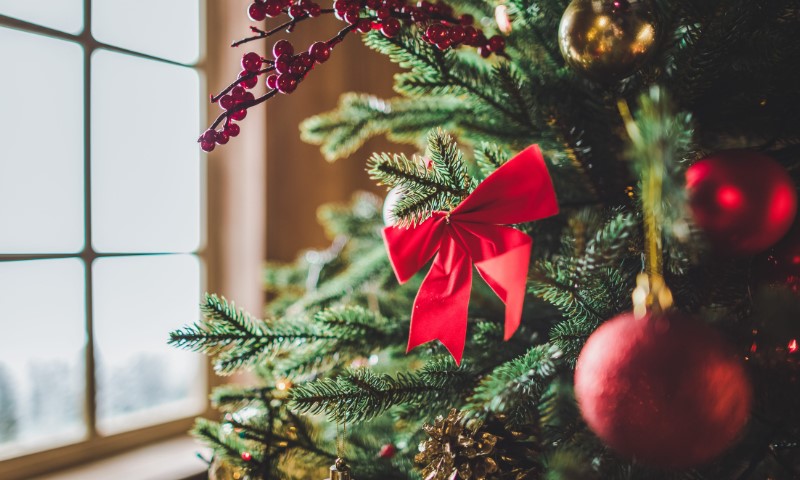
Indoor heating makes December comfortable for people, but it isn’t especially kind to cut trees.
Radiators, fireplaces, heating vents, and direct sunlight can accelerate moisture loss, causing needles to dry out and fall sooner.
Placement can make a noticeable difference. Choose a relatively cool part of the room, preferably away from windows receiving strong afternoon sunlight and any heating equipment.
Lighting choices also matter. LED Christmas lights produce considerably less heat than traditional incandescent bulbs, making them a more sensible option for decorating real trees.
Even with LEDs, switch off Christmas lights before going to bed or leaving home.
A Christmas tree beside a roaring fireplace might look excellent in a photograph. Unfortunately, the tree doesn’t care how good the photograph looks.
How to Pick a Christmas Tree That Will Last
Long-lasting Christmas trees start with choosing a fresh one.
Look for healthy-looking needles, flexible branches, and a trunk that doesn’t appear excessively dry. Gently run your hand along an outer branch to check for needle loss.
Some shedding is normal, particularly among older interior needles. However, large numbers of needles dropping during a gentle touch can indicate that the tree is already drying out.
Fraser firs and balsam firs are particularly well regarded for retaining their needles. Still, a freshly cut tree of another suitable species can outperform a fir that has spent too long sitting without adequate moisture.
When to Put Up Christmas Tree Decorations
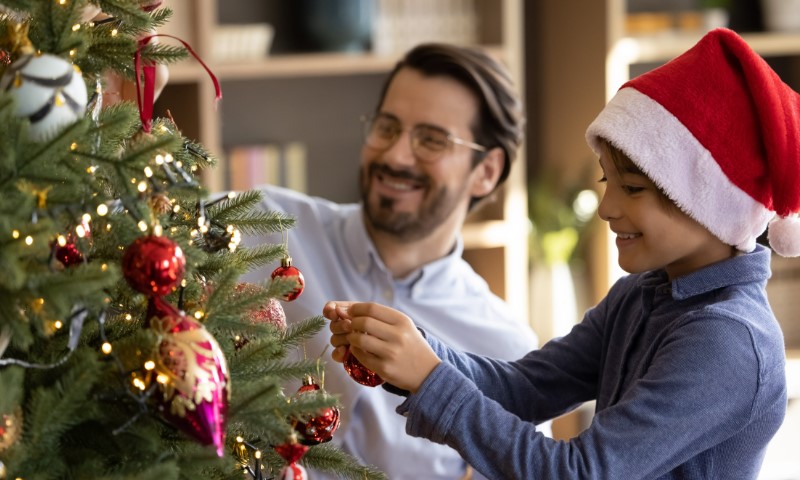
Deciding when to put up christmas tree decorations also means deciding how long your tree needs to last.
Early December is generally a practical buying and decorating window for households planning to keep their tree through Christmas Day.
If your goal is to enjoy it through New Year’s Day, buying and decorating closer to mid-December offers a better chance of keeping it fresh.
Here’s how the timing works in practice:
| When you buy your tree | What to expect |
| Late November | May begin drying before Christmas without excellent care |
| Early December | Usually suitable for lasting through Christmas |
| Mid-December | Better timing for keeping a tree through New Year’s |
| Christmas week | Usually offers plenty of freshness for the final holiday celebrations |
Actual longevity still depends on when the tree was cut, not simply when it entered your living room.
A tree purchased December 15 might have been harvested considerably earlier, making freshness checks more important than the calendar date.
How to Tell When Your Christmas Tree Is Too Dry
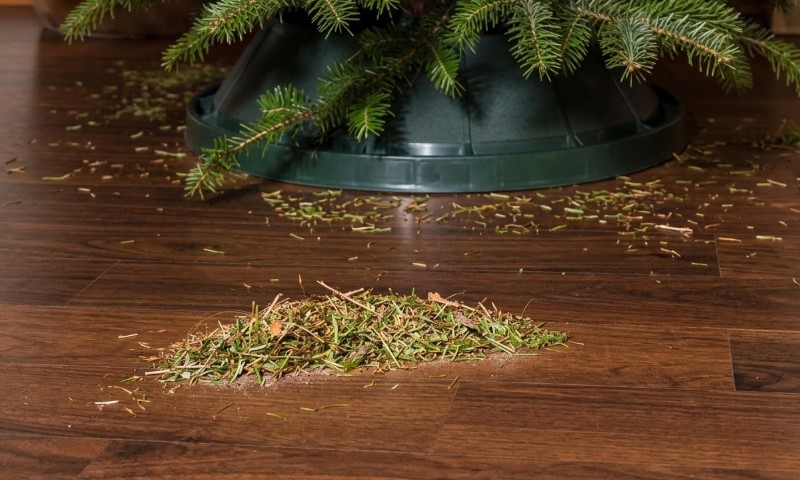
A few needles underneath your Christmas tree aren’t necessarily cause for concern. Even healthy trees naturally shed some older needles.
More noticeable changes, however, can indicate that your tree is nearing the end of its indoor lifespan.
Watch for these warning signs:
| Warning sign | What to look for |
| Brittle needles | Needles snap easily rather than bending. |
| Excessive shedding | Large quantities fall during light contact, especially along outer branches. |
| Stiff or drooping branches | Branches lose their usual flexibility and may begin sagging. |
| Poor water uptake | A tree that previously drank regularly suddenly stops absorbing noticeable amounts of water. |
Dryness is more than an appearance problem. Severely dried-out Christmas trees can ignite quickly, making them a serious fire hazard.
Christmas tree fires aren’t especially common, but they can be serious.
Between 2018 and 2022, Christmas trees caused an estimated 155 home fires annually across the United States, resulting in an average of four deaths, seven injuries, and $15 million in property damage each year.
A few fallen needles aren’t an emergency, but a tree that’s visibly drying out is no longer worth keeping for another week.
If needles are brittle and dropping heavily, removing the tree is safer than keeping it until your planned cleanup date.
Holiday tradition is one thing. Keeping a dangerously dry tree in the living room because it’s only December 29 is another.
A Month Is Realistic, but Water Makes the Difference
So, how long do real christmas trees last in an ordinary home? Around a month is a reasonable expectation, with four to six weeks possible when freshness, watering, and indoor conditions work in your favor.
Buying a fresh tree, keeping its trunk continuously submerged, and avoiding excessive heat are the three habits that matter most.
Keeping a Christmas tree looking good doesn’t require a special preservative or much expertise. Mostly, it requires remembering that the thing standing in the corner still needs water.